Warthin’s Tumour
Warthin’s Tumour Treatment & Supportive Care in India
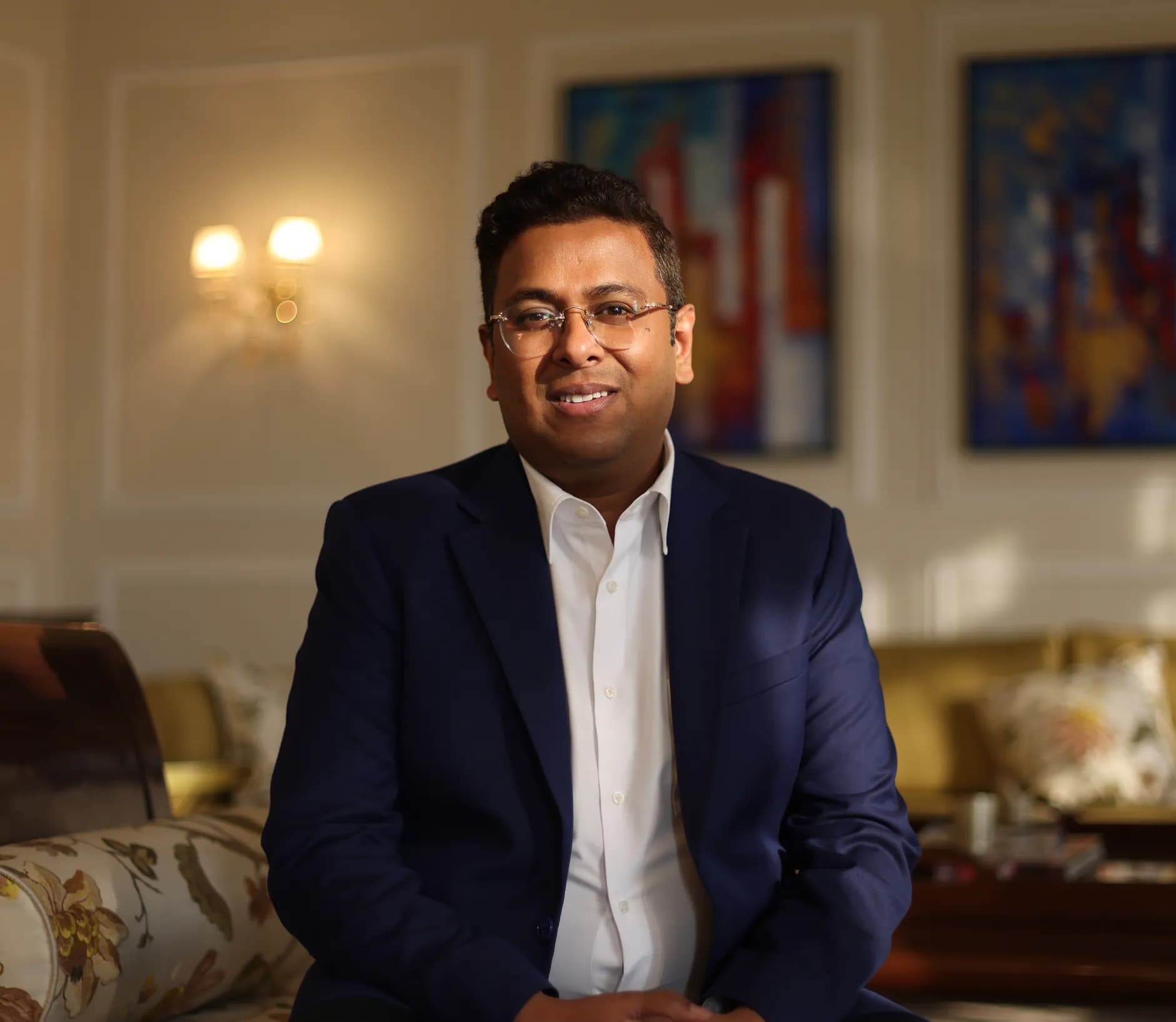
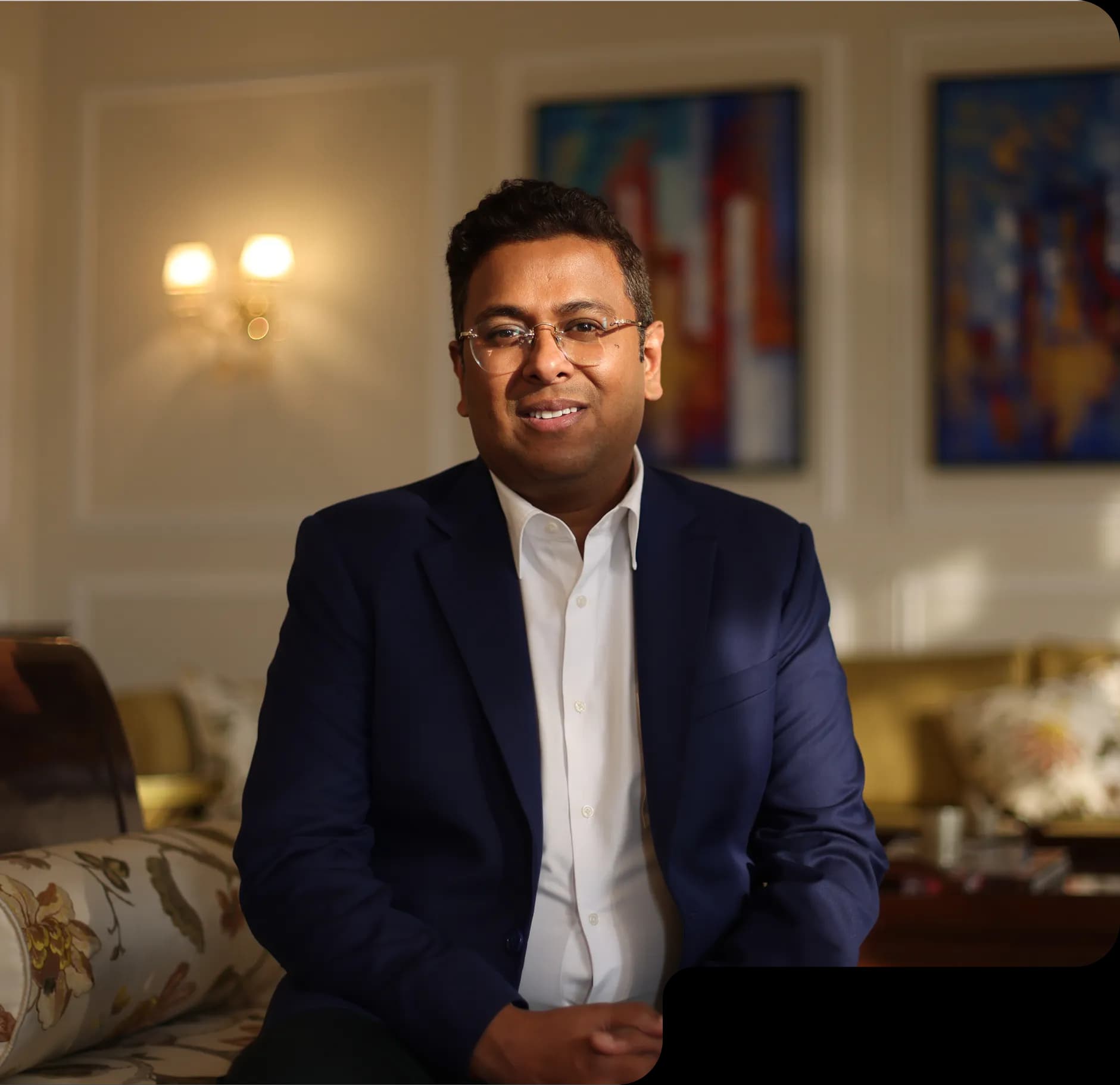
Personalised Supportive Care With Dr. Tarang Krishna
A diagnosis of Warthin’s tumour can raise questions about what happens next. Is treatment always necessary? Can the tumour be monitored? When might surgery be considered? What support may be helpful during surveillance, preparation for surgery or recovery?
Dr. Tarang Krishna provides personalised integrative supportive care designed around each patient's diagnosis, overall health, symptoms and established medical plan.
His approach considers the whole patient, not only the diagnosis. Depending on individual needs, supportive planning may address nutrition, physical wellbeing, sleep, lifestyle, emotional concerns and continuity of care.
For Warthin’s tumour, this supportive approach is intended to complement appropriate medical evaluation and management, not replace it. Decisions about surveillance, surgery or other medical care should be made with an appropriately qualified treating specialist.
What Is Warthin’s Tumour?
Warthin’s tumour is a benign growth that most commonly develops in the parotid gland, one of the major salivary glands located near the ear.
It often presents as a painless, slow-growing lump. Warthin’s tumours can sometimes occur in more than one location or involve both parotid glands.
Smoking has a strong association with Warthin’s tumour, although the factors involved in its development are not completely understood.
Warthin’s tumour is not cancerous. However, any new or changing salivary-gland lump requires appropriate medical evaluation because different conditions can cause similar symptoms.
Following evaluation, management may involve clinician-led surveillance or surgical treatment depending on the diagnosis, tumour characteristics, symptoms and individual circumstances.
Clinical Patterns of Warthin’s Tumour
A tumour affecting one parotid gland.
Tumours affecting both parotid glands, either at the same time or at different times.
A single tumour occurring within a parotid gland.
Two or more separate tumours occurring within the same parotid gland.
A rare presentation outside the parotid gland, such as in nearby cervical lymph nodes or ectopic salivary tissue.
Signs and Symptoms of Warthin’s Tumour
Possible signs and symptoms can include:
A painless lump near or below the ear
Slowly increasing swelling
Swelling affecting one or both sides
More than one lump in the parotid region
Local pressure, heaviness or discomfort
A visible change in facial contour
Symptoms such as rapid enlargement, persistent or increasing pain, facial weakness, numbness or changes in the overlying skin warrant prompt medical assessment.
How Is Warthin’s Tumour Evaluated?
Assessment of a suspected Warthin’s tumour may involve a combination of clinical examination, imaging and tissue sampling, depending on the individual case.
Evaluation may include:
Review of symptoms and medical history
Clinical examination
Ultrasound of the parotid gland
CT or MRI when additional anatomical detail is required
Fine-needle aspiration cytology or other appropriate tissue assessment
Histopathological examination when a tumour is surgically removed
Because Warthin’s tumour is benign, it is not managed using the Stage I to Stage IV cancer staging system.
Instead, clinicians consider factors such as the reliability of the diagnosis, tumour size and location, symptoms, changes over time and whether one or both parotid glands are involved.
Warthin’s Tumour Management
Management is individualised. The appropriate approach depends on the certainty of the diagnosis, symptoms, tumour behaviour, patient health and preferences.
Active Surveillance
Immediate surgery may not be necessary for every appropriately selected patient.
When the diagnosis is sufficiently established and the tumour is suitable for observation, the treating clinician may recommend structured surveillance. Follow-up can involve clinical review and, where appropriate, repeat imaging to monitor for changes.
Choosing surveillance does not mean ignoring the tumour. Follow-up should occur according to the plan recommended by the clinician responsible for the patient's Warthin’s tumour management.
Surgery
Surgical removal may be considered in circumstances such as:
Uncertainty about the diagnosis
Continued or significant tumour growth
Symptoms such as discomfort
Recurrent local problems
Significant cosmetic concerns
Patient preference after discussion of potential benefits and risks
The decision between surveillance and surgery should be individualised following appropriate medical assessment.
Dr. Tarang Krishna’s Approach to Supportive Care
Support Built Around the Patient’s Existing Medical Plan
Dr. Tarang Krishna's approach begins with an important principle:
Supportive integrative care should work alongside appropriate medical management, not compete with or replace it.
For someone with Warthin’s tumour, the medical journey may involve diagnostic evaluation, ongoing surveillance, preparation for surgery or postoperative recovery.
Dr. Krishna develops supportive plans according to the patient's current stage of care, overall wellbeing and existing medical recommendations.
The objective is to help patients navigate their care with greater continuity and support while ensuring that decisions about the tumour itself remain appropriately medically managed.
A Personalised Assessment With Dr. Tarang Krishna
Supportive care begins with understanding the individual rather than applying the same protocol to every patient.
During assessment, Dr. Tarang Krishna and his team may review:
Available imaging, cytology or pathology reports
Current symptoms and concerns
Medical and surgical history
Existing health conditions
Current medicines and supplements
Nutritional status and dietary practices
Sleep, lifestyle and general wellbeing
Smoking history and other relevant lifestyle factors
Emotional concerns related to diagnosis or treatment
The medical management plan already recommended
This assessment helps Dr. Tarang Krishna understand the patient's supportive needs and how supportive care may fit alongside the established medical plan.
Personalised Supportive Planning
Supportive needs can differ considerably depending on where a patient is in the Warthin’s tumour journey.
During Active Surveillance
For a patient undergoing clinician-led monitoring, Dr. Krishna's supportive approach may focus on general wellbeing, nutrition, healthy lifestyle practices, sleep and emotional support.
For patients who smoke, smoking cessation support may also form an important part of overall health care.
Supportive care does not replace scheduled clinical examinations, imaging or other follow-up recommended by the treating clinician. There is no established evidence that lifestyle measures or supportive therapies alone remove or shrink Warthin’s tumour.
Before Surgery
When surgery has been recommended, supportive planning may focus on general wellbeing, nutrition, sleep and preparation for the treatment period.
Patients should ensure that their surgical team knows about all medicines, herbal products and supplements they are taking. Decisions about stopping, starting or changing these products before surgery should be made with the appropriate treating healthcare professional.
During Recovery
Following surgery, supportive planning may be adapted according to the patient's needs and the postoperative instructions provided by the surgical team.
Areas of support may include nutrition, appetite, sleep, energy, emotional wellbeing and general day-to-day wellbeing.
Medicines for pain, infection or other postoperative concerns may be prescribed by the appropriate treating healthcare professional when clinically indicated.
Supportive recommendations should remain compatible with the patient's postoperative medical care.
Medicines and Support During Warthin’s Tumour Care
There is no established medicine that removes, shrinks or cures Warthin’s tumour. Depending on the individual case, medical management may involve structured surveillance or surgery.
As part of supportive care, Dr. Tarang Krishna may review the patient's existing medicines, supplements, nutritional needs, general health and current medical plan.
Where medicines, nutritional supplementation or other supportive measures are considered for a separate health or nutritional need, they should be selected according to the individual patient's circumstances and coordinated with the appropriate treating healthcare professionals.
Medicines prescribed for pain, infection or other concerns around surgery are used according to clinical need. They should not be described as medicines that treat the Warthin’s tumour itself.
Patients should inform their healthcare team about all prescription medicines, over-the-counter medicines, herbal products and supplements they use, particularly when preparing for surgery.
Ongoing Monitoring and Personalisation
A patient's needs can change over time.
Dr. Tarang Krishna's approach therefore extends beyond an initial assessment. The supportive plan may be reviewed and adapted according to changes in the patient's general health, symptoms, medical findings, treatment plan or recovery needs.
This allows supportive care to remain responsive to the patient's individual circumstances rather than relying on a fixed, one-size-fits-all approach.
Changes in the tumour itself should be assessed through appropriate medical follow-up rather than interpreted solely through supportive-care monitoring.
Coordinated Support Throughout the Care Journey
Patients may interact with different healthcare professionals during diagnosis, monitoring, surgery and recovery.
Dr. Tarang Krishna's supportive-care model is designed to fit around that existing care pathway.
The focus may include:
Individual assessment
Personalised supportive planning
Nutrition and general wellbeing
Healthy lifestyle support
Emotional wellbeing
Review of existing medicines and supplements
Ongoing supportive-care review
Continuity of care
Communication about the patient's existing medical plan
This coordinated approach is intended to help patients and caregivers navigate the supportive aspects of care without replacing the healthcare professionals responsible for diagnosis, surveillance or surgery.
What Can You Expect From Dr. Tarang Krishna’s Care?
Individual Case Review
Available medical reports, symptoms, health history, current medicines and supplements, and the patient's existing management plan are considered when identifying supportive needs.
Personalised Supportive Plan
Supportive recommendations are developed according to the individual's health needs, current stage of care and established medical plan rather than being based solely on the name of the diagnosis.
Ongoing Review
Supportive needs may be reassessed as the patient's health, medical plan or recovery changes.
Multidisciplinary Support
Where appropriate, different members of the care team may contribute to aspects of the patient's supportive care within their respective professional roles.
Continuity of Care
Structured follow-up can help patients and caregivers maintain continuity as supportive needs evolve.
Dr. Tarang Krishna’s Supportive Care Approach
Dr. Tarang Krishna's approach centres on personalised supportive care alongside the patient's established medical management.
Key features of the care model include:
Individual assessment before supportive recommendations are made
Support tailored to the patient's current stage of care
Attention to nutrition, lifestyle and general wellbeing
Review of existing medicines and supplements
Consideration of emotional wellbeing
Ongoing review according to individual needs
Coordination with the patient's existing medical plan
Support for patients and caregivers throughout the care journey
The purpose is to provide structured, individualised support while maintaining a clear distinction between supportive care and medical management of the Warthin’s tumour itself.
Understanding the Role of Integrative Supportive Care
It is important to distinguish between management of Warthin’s tumour and supportive care around that management.
Appropriate medical management may involve surveillance or surgery depending on the individual case.
Dr. Tarang Krishna's integrative supportive approach is intended to address aspects of the patient's broader wellbeing around that medical pathway.
Supportive integrative care does not remove, shrink or cure Warthin’s tumour and should not be presented as an alternative to appropriate medical management.
It should not replace or delay:
Appropriate diagnostic assessment
Recommended medical monitoring
Imaging or tissue assessment when indicated
Surgery when clinically recommended
Histopathological evaluation when applicable
Postoperative medical care
Recommended follow-up
Patients should also inform their treating healthcare professionals about herbal products, supplements and other complementary therapies they use.
Frequently Asked Questions About Warthin’s Tumour
No. Warthin’s tumour is a benign salivary-gland tumour. Nevertheless, a new or changing parotid-region lump requires appropriate medical assessment to establish the diagnosis.